




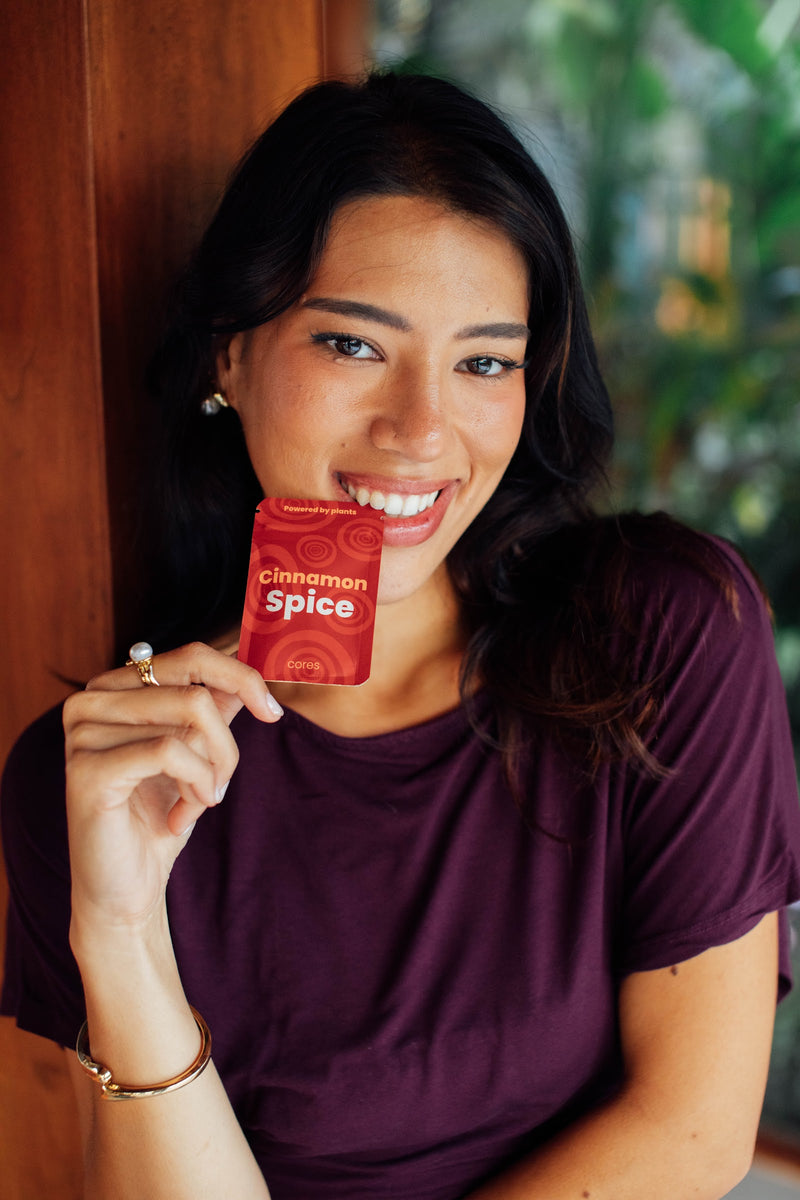
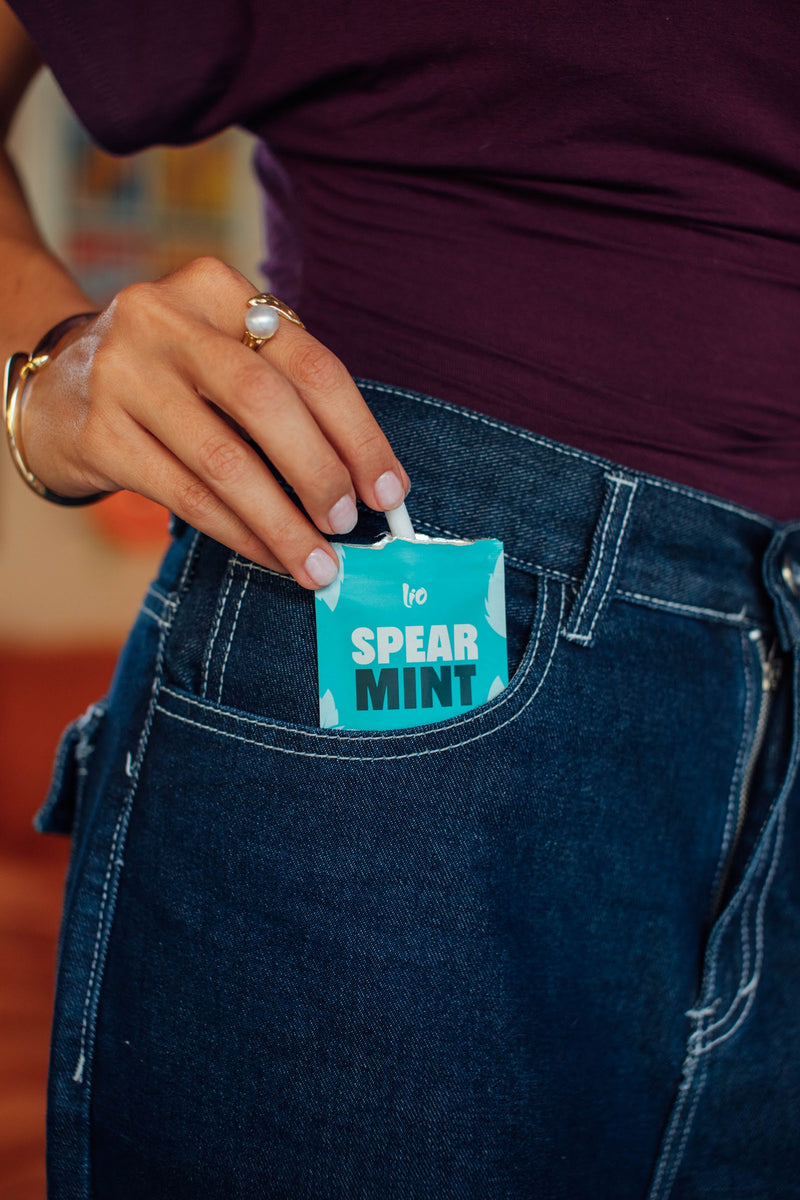








The pen cap you keep chewing. The snacks you didn't used to want. The reach for a vape that isn't there.
That's what people call oral fixation. The name is a hundred years old and mostly wrong. The feeling is real, and researchers have studied it more than you'd think.
Short answer
Oral fixation is the everyday name for a strong pull to have something at your mouth. Freud's theory behind the term isn't accepted, but the habit is real: smoking research shows the taste, the draw and the hand-to-mouth action become rewarding on their own. That's why the urge can outlast nicotine, and why the mouth part deserves its own plan.
First, the name
“Oral fixation” comes from Freud's theory of development. Psychology has moved on from that theory. But the everyday meaning stuck: a strong pull to have something at or in your mouth.
Smoking research has a more useful word for it.
Here's what researchers actually call it
Sensorimotor cues. The taste, the airway sensation, the inhale and exhale, holding the thing. Nicotine is the main reward. These cues become secondary rewards, because they came paired with nicotine thousands of times.1
Which explains the strangest part of quitting: the urge to put something to your mouth can outlast the nicotine by months.
Clearly I was more addicted to “Hand to mouth” gesture than the nicotine itself.
The evidence, one study at a time
The fair reading. Real effects, modest size, and none of these studies tested Lio. They show the mouth-and-hand part of the habit deserves its own plan. They don't promise any product makes quitting easy.
Is it oral fixation, or is it nicotine?
A rough guide, not a diagnosis:
| What you notice | More likely |
|---|---|
| The urge hits at set moments: coffee, car, breaks | The habit |
| Still reaching for your pocket weeks later | The habit |
| Chewing pens, snacking more, biting nails | The habit |
| Irritable, restless, foggy in the first days | Nicotine withdrawal |
| A strong urge the moment you wake up | Nicotine |
Most people have both. That's normal, and it's why two tools usually beat one.
What helps with the mouth part
- Give your mouth a job: sugar-free gum, a straw, strong mints.
- Keep the draw: a flavoured air device or a breathing tool.
- Keep your hands busy: 15 ideas, sorted by moment.
- Watch the snacking: food is the easiest substitute, and the one that adds up.
What do you miss most?
Pick one. We'll tell you honestly whether Lio fits.
Lio fits this well. It keeps the break and the hand-to-mouth action, with flavour and no nicotine, vapour or battery.
See the StarterpackLio may fit. The flavour is light, more herbal tea than sweet vape. Mint flavours give a fresh feel in the throat. Start with a mint.
See the flavoursLio isn't the answer for this. It has no nicotine, so it won't ease withdrawal. A pharmacist or GP can advise on licensed nicotine replacement. Lio can help with the ritual later, if you want.
See all the optionsHonestly, Lio isn't for you. Nothing comes out of a Lio. If clouds are what you miss, you'll likely be disappointed.
See all four kinds of air vapeRemember this
- Smoking research calls it sensorimotor cues: secondary rewards learned through nicotine.1
- Holding a nicotine-free device eased craving more than using a mounted one.2
- Effects are real but modest; replacements may work best as coping tools.3
- Benefits showed mainly in people with high behavioural dependence.4
Frequently asked questions
Why do I want something in my mouth after quitting?
Years of pairing the draw, the taste and the hand movement with nicotine made those actions rewarding in their own right. The urge to repeat them can last after nicotine is gone.
How do I stop oral fixation?
Give the habit a substitute that fits each moment, like gum, a straw, a breathing tool or a flavoured air device, and expect it to fade over weeks or months.
Is oral fixation a sign of nicotine withdrawal?
Not necessarily. Urges tied to specific moments that continue weeks after quitting are more likely the habit than withdrawal.
Sources
- Przulj D, McRobbie H, Hajek P. The effect of sensorimotor replacement on smoking cessation and craving. The Open Addiction Journal. 2012;5:41 to 50. benthamopen.com
- Experiment on nicotine and sensorimotor manipulation in e-cigarette use. PubMed Central PMC9116433. pmc.ncbi.nlm.nih.gov
- Przulj D. Sensorimotor replacement with electronic and de-nicotinised cigarettes. PhD thesis, Queen Mary University of London. 2014. qmro.qmul.ac.uk
- Caponnetto P, Cibella F, Mancuso S, et al. Effect of a nicotine-free inhalator as part of a smoking cessation programme. European Respiratory Journal. 2011. doi.org
- Maglia M, Caponnetto P, Polosa R, et al. Impact of a soft tip nicotine-free harmless cigarette as part of a smoking cessation program. Health Psychology Research. 2021;9(1). pmc.ncbi.nlm.nih.gov

Founder of Lio. Writes about habits and the products Lio makes. Has a commercial interest in this topic, which is why every claim here is sourced.
Lio is not a medical device, a smoking cessation aid or a treatment, and makes no health claims. This guide is general information, not medical advice. If you want help with nicotine dependence, speak to a pharmacist, GP or your national quit service.